Traditional Ayurvedic treatments are based on an ancient Indian system of healthcare that emphasises balance, healthy living, diet, and individualised care. Depending on a person's needs, Ayurvedic practices may include herbal preparations, oil applications, massage, and lifestyle guidance under the supervision of a qualified Ayurvedic practitioner.
Understanding Traditional Ayurvedic Treatments
Ayurveda is a traditional Indian system of healthcare with a long history. It places importance on diet, daily routines, physical activity, rest, and individualised approaches to health. Ayurvedic treatment plans are selected according to a person's health concerns and the assessment of a qualified Ayurvedic practitioner.
1. Principles of Ayurveda
Ayurveda traditionally describes three doshas: Vata, Pitta, and Kapha. These concepts are used within the Ayurvedic system to understand individual constitution and health. They are traditional concepts and should not be considered equivalent to modern medical diagnoses.
2. Common Traditional Ayurvedic Practices
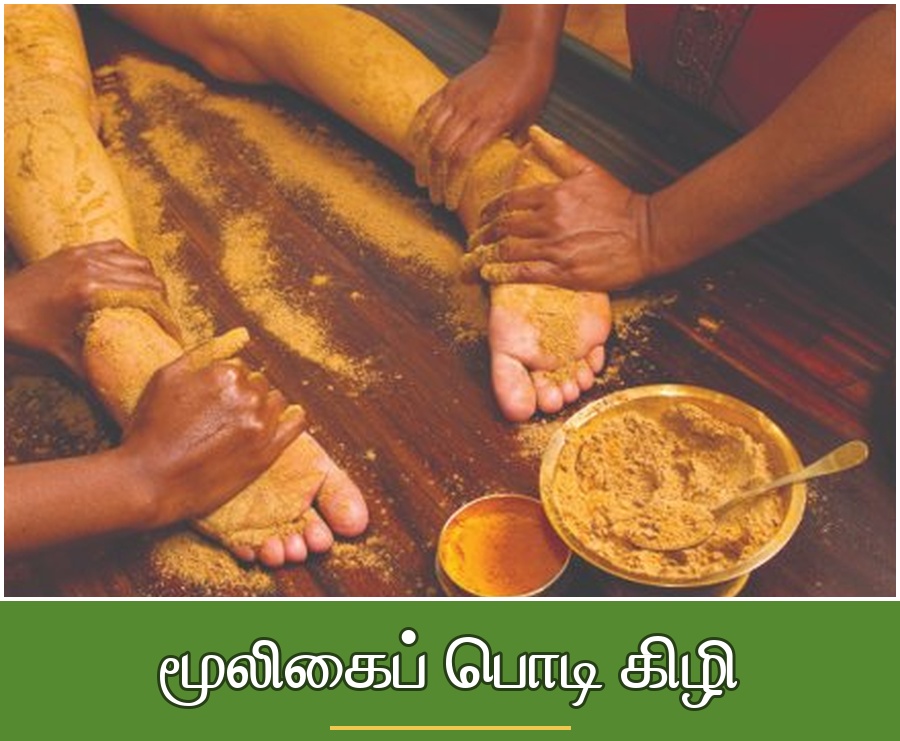
**Herbal preparations:** Certain plant-based preparations are used in Ayurveda. Their suitability depends on the ingredients, dosage, the person's health, and possible interactions with other medicines.
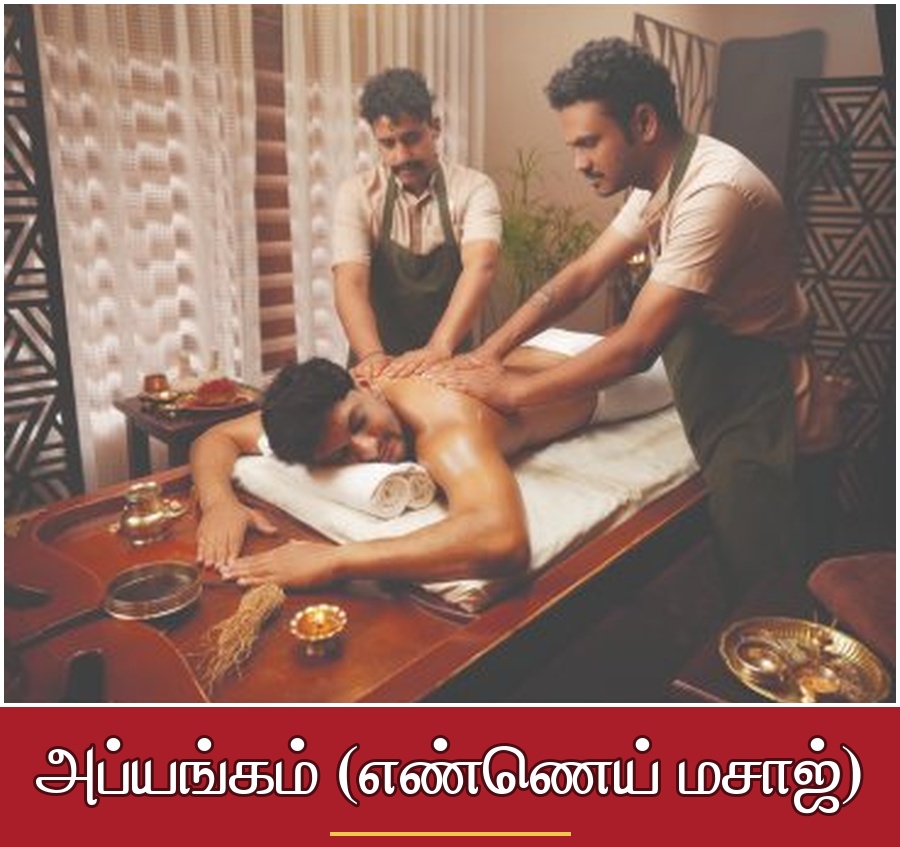
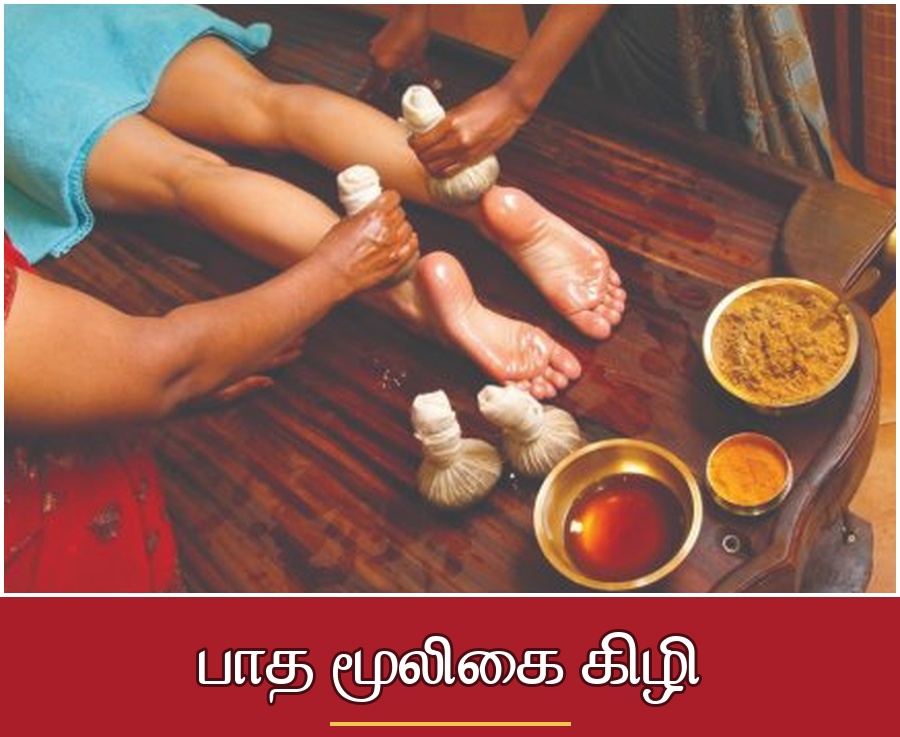
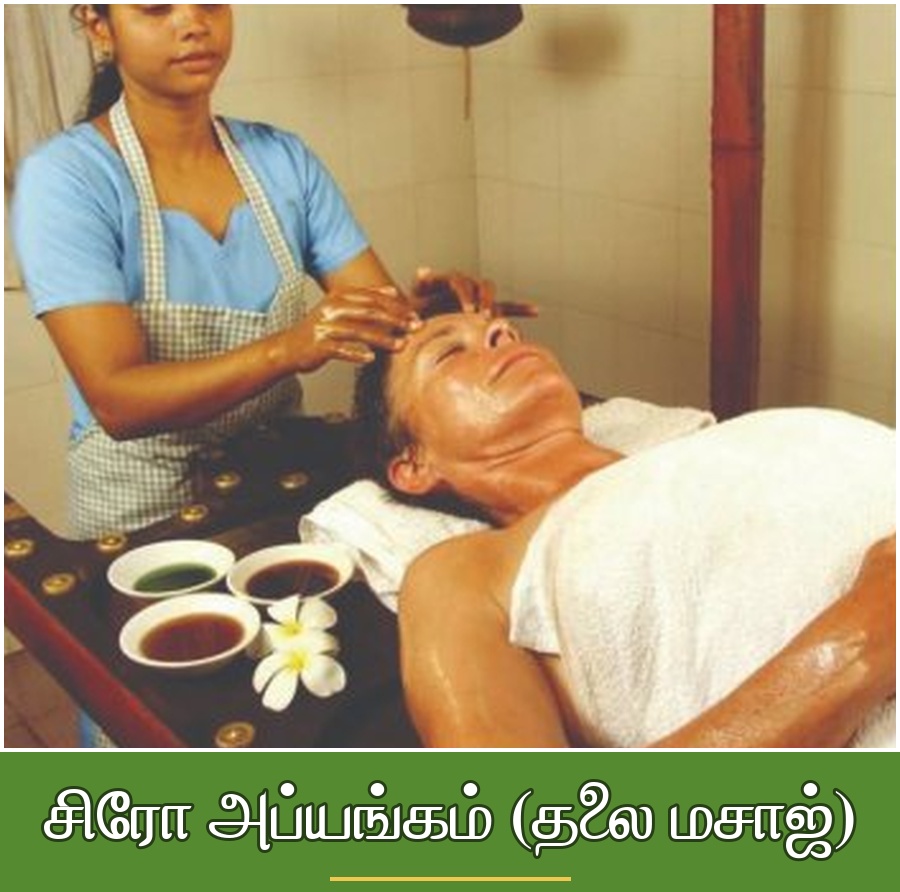
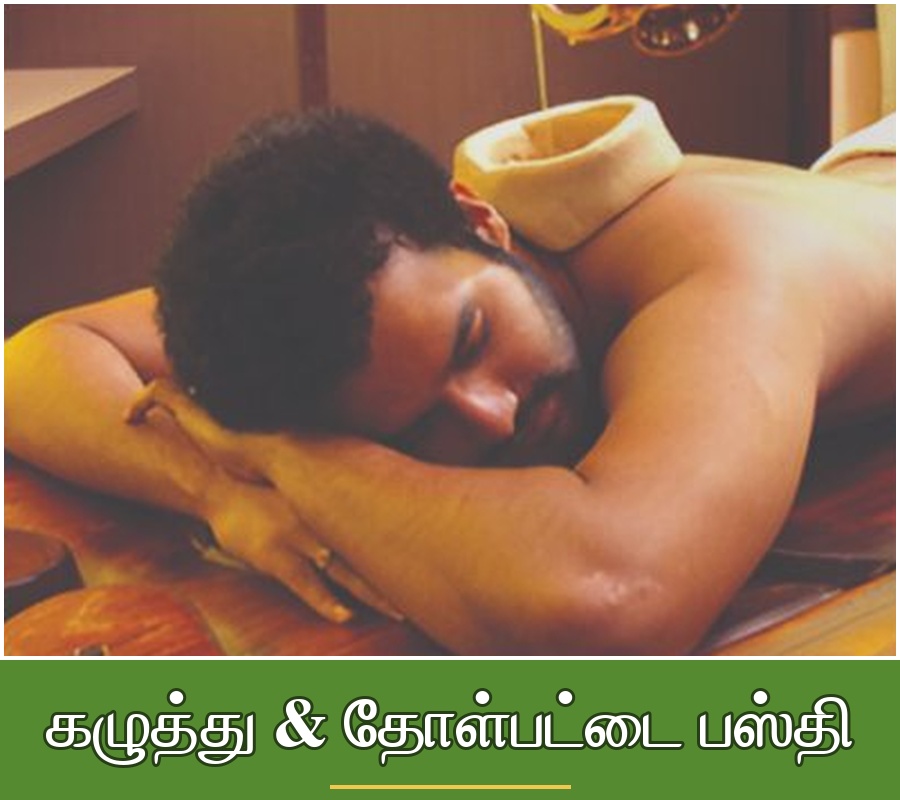
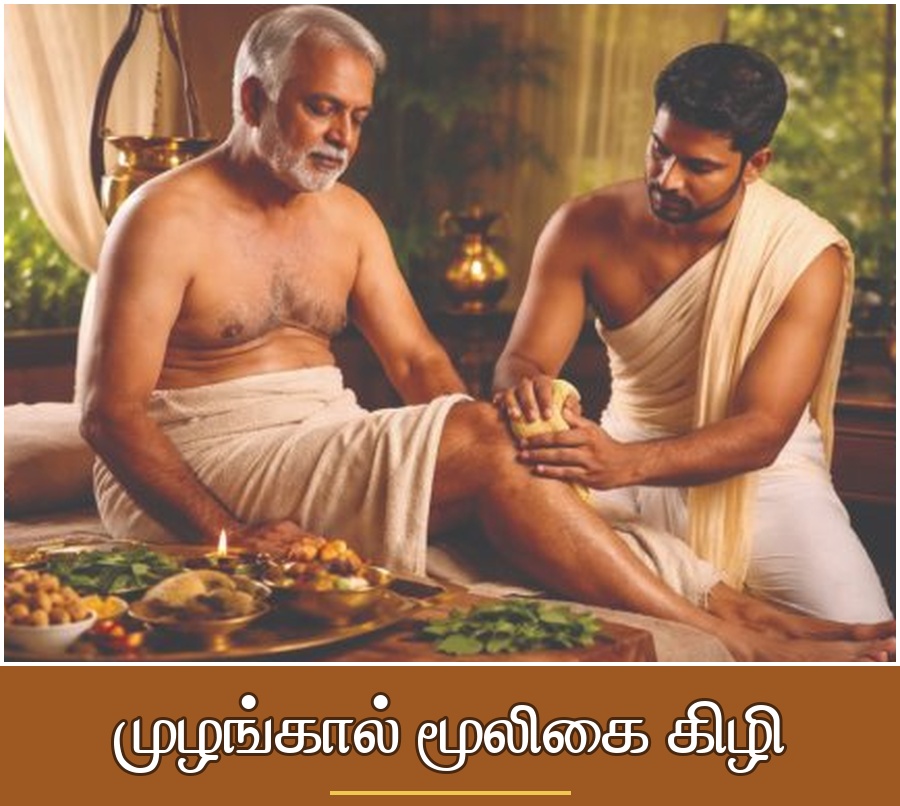
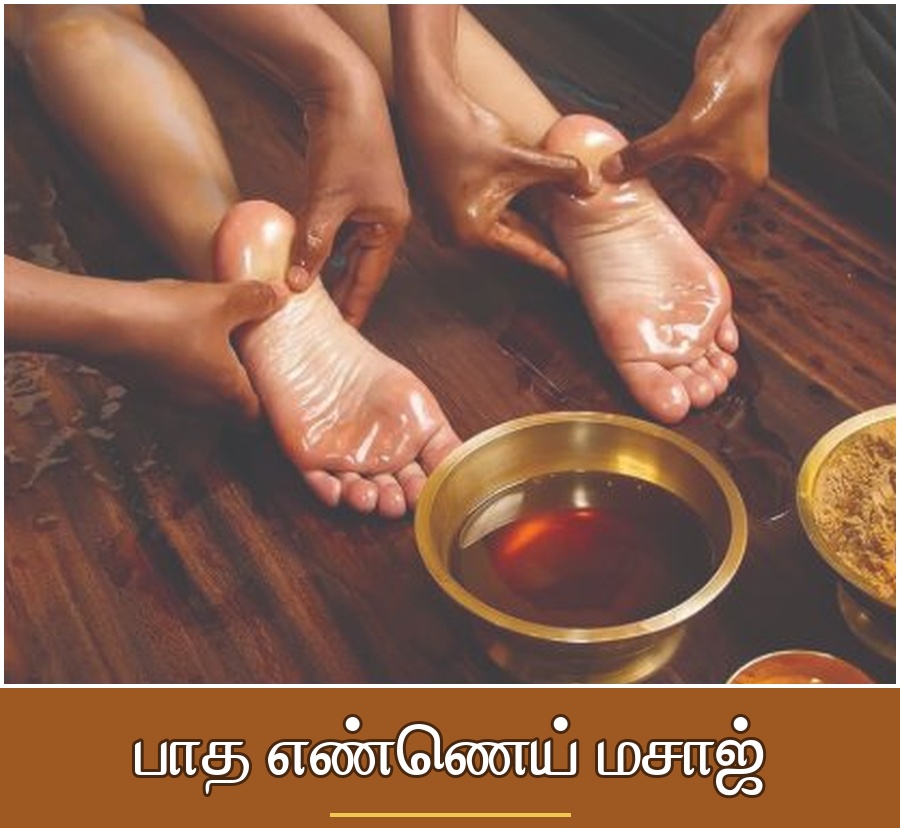
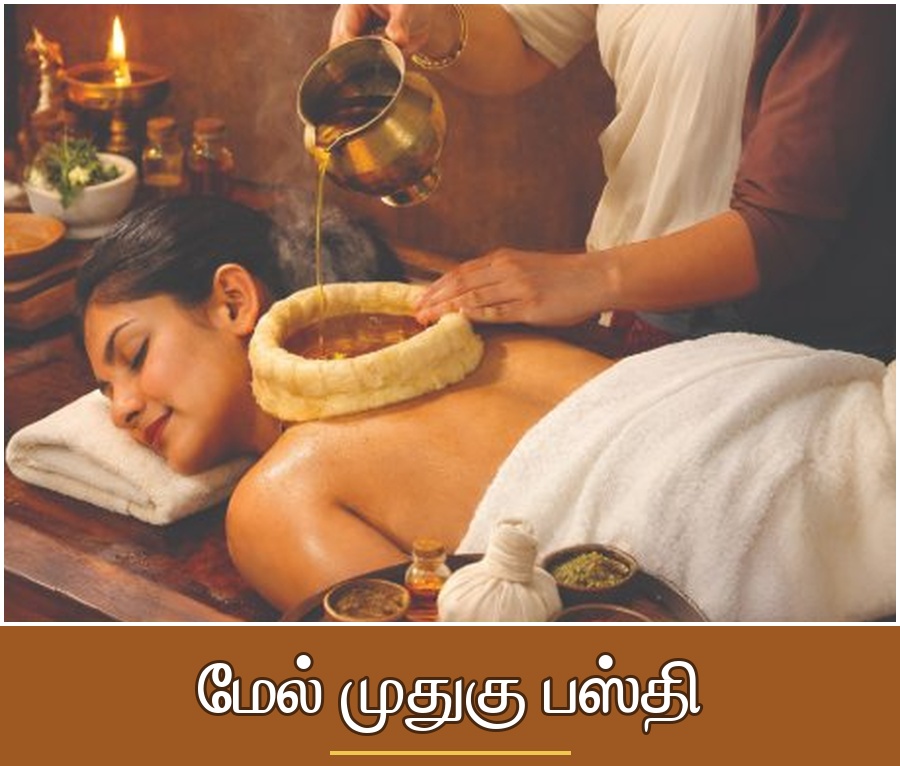
**Abhyanga (oil massage):** This traditional practice involves applying oil to the body using massage techniques. It may be used for relaxation and general comfort when appropriate.
**Dietary guidance:** Ayurvedic practitioners may offer food and meal-timing recommendations based on individual needs. A balanced diet remains important for general health.
**Daily routine and relaxation:** Regular sleep, suitable physical activity, relaxation, and consistent daily habits are commonly emphasised.
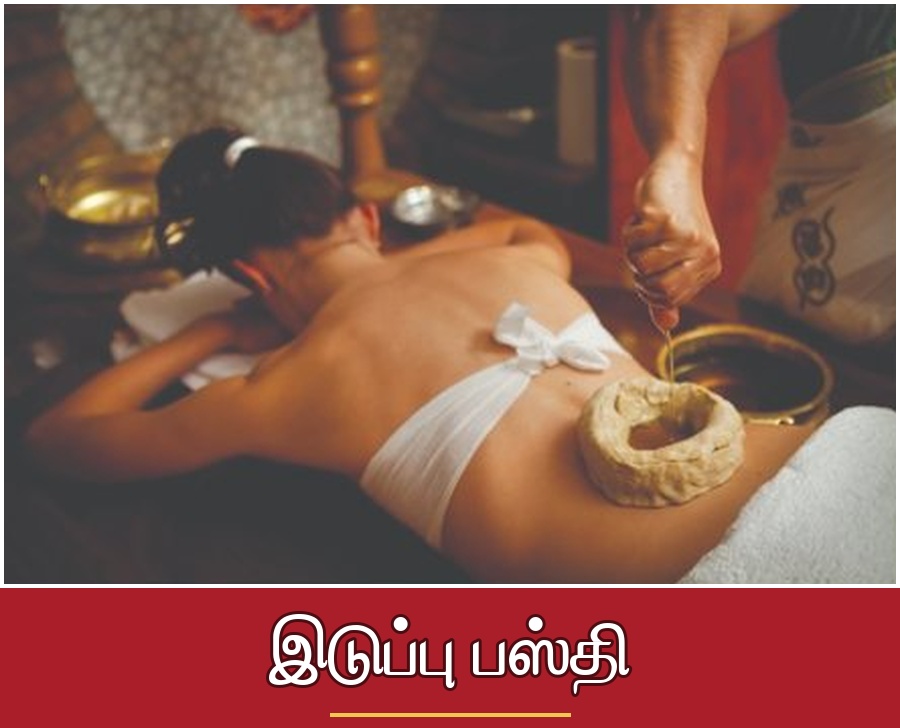
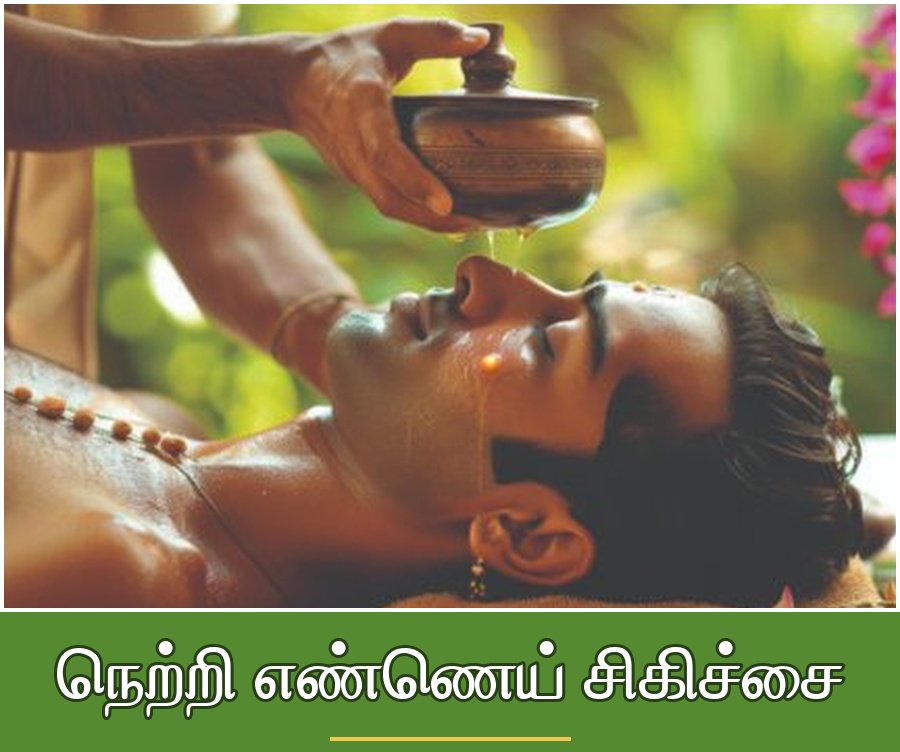
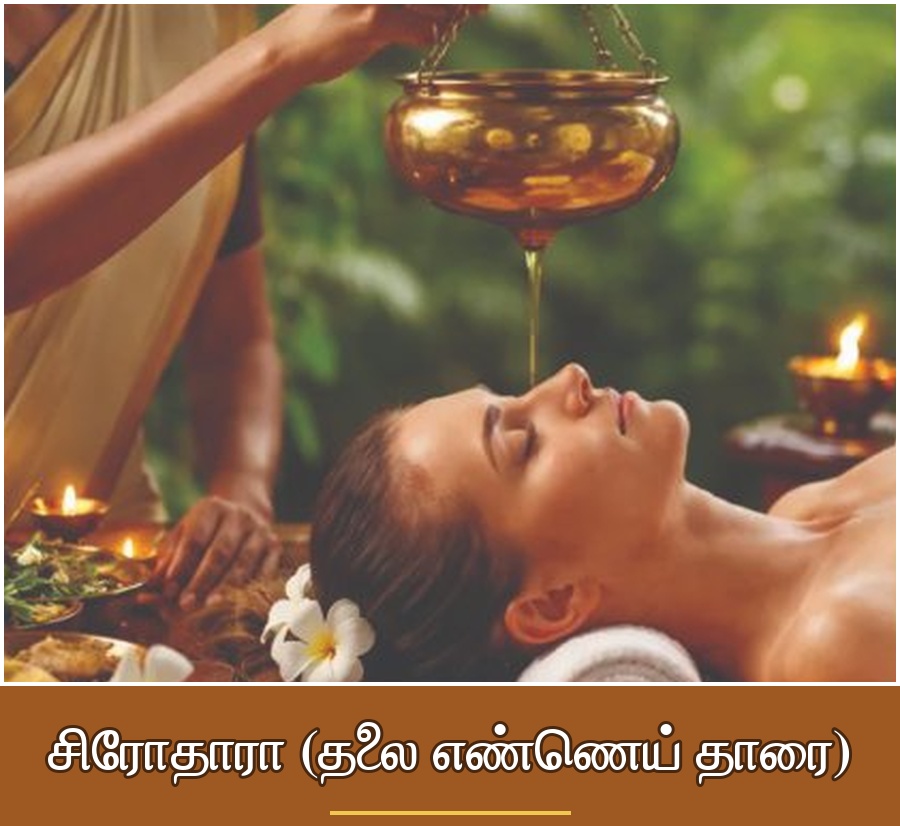
**Panchakarma therapies:** Panchakarma refers to a group of specialised Ayurvedic procedures. These should only be considered after an appropriate assessment and performed under qualified professional supervision.
3. Potential Role in Well-Being
Some people seek Ayurvedic care for relaxation, general wellness, and support with particular symptoms. The evidence for effectiveness varies across individual treatments and conditions. Ayurveda should not be presented as a guaranteed cure.
4. Safety and Professional Guidance
Natural does not always mean safe. Some herbal products may contain harmful ingredients, interact with prescription medicines, or affect the liver and kidneys. Inform your healthcare providers about all medicines and supplements you use.
Pregnant or breastfeeding individuals, children, older adults, and people with chronic health conditions should seek appropriate professional advice before using Ayurvedic products or procedures.
Do not stop prescribed medication or delay necessary medical treatment in favour of traditional remedies.
5. Choosing Appropriate Care
Consult a qualified Ayurvedic practitioner who assesses your health history and explains the proposed treatment, its potential benefits, risks, and alternatives. Seek a modern medical assessment for persistent or worsening symptoms.
பாரம்பரிய ஆயுர்வேத சிகிச்சைகள் இந்தியாவின் பழமையான மருத்துவ முறையை அடிப்படையாகக் கொண்டவை. உடல் நலம், உணவுமுறை, வாழ்க்கைமுறை மற்றும் தனிநபருக்கேற்ற பராமரிப்பு ஆகியவற்றிற்கு இம்முறை முக்கியத்துவம் அளிக்கிறது. தகுதிபெற்ற ஆயுர்வேத மருத்துவரின் வழிகாட்டுதலின்படி மூலிகை மருந்துகள், எண்ணெய் பயன்பாடு, மசாஜ் மற்றும் வாழ்க்கைமுறை ஆலோசனைகள் வழங்கப்படலாம்.
பாரம்பரிய ஆயுர்வேத சிகிச்சைகளைப் புரிந்துகொள்வோம்
ஆயுர்வேதம் இந்தியாவின் நீண்டகால பாரம்பரியத்தைக் கொண்ட மருத்துவ முறையாகும். உணவுமுறை, அன்றாடப் பழக்கங்கள், உடல் இயக்கம், ஓய்வு மற்றும் தனிநபருக்கேற்ற உடல்நலப் பராமரிப்பு ஆகியவற்றிற்கு இது முக்கியத்துவம் அளிக்கிறது. ஒருவரின் உடல்நிலை மற்றும் தகுதிபெற்ற ஆயுர்வேத மருத்துவரின் மதிப்பீட்டின் அடிப்படையில் சிகிச்சைத் திட்டம் தேர்ந்தெடுக்கப்படுகிறது.
1. ஆயுர்வேதத்தின் அடிப்படைக் கொள்கைகள்
ஆயுர்வேத மரபில் வாதம், பித்தம், கபம் ஆகிய மூன்று தோஷங்கள் குறிப்பிடப்படுகின்றன. தனிநபரின் உடலமைப்பு மற்றும் உடல்நலத்தைப் பாரம்பரிய முறையில் புரிந்துகொள்ள இந்தக் கருத்துகள் பயன்படுத்தப்படுகின்றன. இவை பாரம்பரிய மருத்துவக் கருத்துகளாகும்; நவீன மருத்துவ நோயறிதல்களுக்கு நேரடிச் சமமாகக் கருதக்கூடாது.
2. பொதுவான பாரம்பரிய ஆயுர்வேத முறைகள்
**மூலிகை மருந்துகள்:** ஆயுர்வேதத்தில் சில தாவரங்களிலிருந்து தயாரிக்கப்படும் மருந்துகள் பயன்படுத்தப்படுகின்றன. அவற்றின் பொருத்தம், உட்பொருட்கள், அளவு, தனிநபரின் உடல்நிலை மற்றும் பிற மருந்துகளுடனான தொடர்புகளைப் பொறுத்தது.
**அப்யங்கம் (எண்ணெய் மசாஜ்):** உடலில் எண்ணெயைப் பயன்படுத்தி மசாஜ் செய்யும் பாரம்பரிய முறையாகும். பொருத்தமான சூழலில் ஓய்வு மற்றும் உடல் சௌகரியத்திற்காக இது பயன்படுத்தப்படலாம்.
**உணவுமுறை வழிகாட்டுதல்:** தனிநபரின் தேவைகளுக்கு ஏற்ப உணவு வகைகள் மற்றும் உணவு நேரங்கள் குறித்த ஆலோசனைகள் வழங்கப்படலாம். பொதுவான உடல்நலத்திற்கு சமச்சீரான உணவு முக்கியமானது.
**அன்றாடப் பழக்கங்கள் மற்றும் ஓய்வு:** சீரான தூக்கம், உடல்நிலைக்கு ஏற்ற உடற்பயிற்சி, ஓய்வு மற்றும் ஒழுங்கான அன்றாடப் பழக்கங்கள் ஆகியவை வலியுறுத்தப்படுகின்றன.
**பஞ்சகர்மா சிகிச்சைகள்:** பஞ்சகர்மா என்பது குறிப்பிட்ட பாரம்பரிய ஆயுர்வேத சிகிச்சை முறைகளின் தொகுப்பாகும். தகுதிபெற்ற நிபுணரின் முறையான மதிப்பீடு மற்றும் மேற்பார்வையின் கீழ் மட்டுமே இவற்றைப் பரிசீலிக்க வேண்டும்.
3. உடல்நலப் பராமரிப்பில் இதன் பங்கு
சிலர் ஓய்வு, பொதுவான நலவாழ்வு மற்றும் குறிப்பிட்ட அறிகுறிகளுக்கான ஆதரவிற்காக ஆயுர்வேதத்தை நாடுகின்றனர். ஒவ்வொரு சிகிச்சை முறைக்கும் அதன் செயல்திறன் குறித்த அறிவியல் ஆதாரங்கள் மாறுபடுகின்றன. ஆயுர்வேதம் எல்லா நோய்களையும் குணப்படுத்தும் என்று உறுதியளிக்க முடியாது.
4. பாதுகாப்பும் மருத்துவ ஆலோசனையும்
இயற்கையானது என்பதாலேயே ஒரு பொருள் பாதுகாப்பானது என்று கருதக்கூடாது. சில மூலிகை மருந்துகள் தீங்கு விளைவிக்கும் பொருட்களைக் கொண்டிருக்கலாம், மருத்துவர் பரிந்துரைக்கும் மருந்துகளுடன் வினைபுரியலாம் அல்லது கல்லீரல் மற்றும் சிறுநீரகங்களைப் பாதிக்கலாம். நீங்கள் பயன்படுத்தும் அனைத்து மருந்துகள் மற்றும் ஊட்டச்சத்து பொருட்கள் குறித்தும் உங்கள் மருத்துவரிடம் தெரிவிக்கவும்.
கர்ப்பிணிகள், பாலூட்டும் தாய்மார்கள், குழந்தைகள், முதியவர்கள் மற்றும் நீண்டகால உடல்நலப் பிரச்சினைகள் உள்ளவர்கள் ஆயுர்வேத மருந்துகள் அல்லது சிகிச்சைகளைப் பயன்படுத்துவதற்கு முன் தகுதிபெற்ற மருத்துவ நிபுணரின் ஆலோசனையைப் பெற வேண்டும்.
மருத்துவர் பரிந்துரைத்த மருந்துகளை நிறுத்தவோ அல்லது தேவையான மருத்துவச் சிகிச்சையைத் தாமதப்படுத்தவோ கூடாது.
5. பொருத்தமான சிகிச்சையைத் தேர்ந்தெடுத்தல்
உங்கள் மருத்துவ வரலாற்றை மதிப்பீடு செய்து, பரிந்துரைக்கப்படும் சிகிச்சையின் சாத்தியமான நன்மைகள், அபாயங்கள் மற்றும் மாற்று வழிகளை விளக்கும் தகுதிபெற்ற ஆயுர்வேத மருத்துவரை அணுகவும். அறிகுறிகள் தொடர்ந்து நீடித்தாலோ மோசமடைந்தாலோ நவீன மருத்துவ மதிப்பீட்டைப் பெறவும்.
പരമ്പരാഗത ആയുർവേദ ചികിത്സകൾ ഇന്ത്യയിലെ പുരാതന ആരോഗ്യപരിപാലന സമ്പ്രദായത്തെ അടിസ്ഥാനമാക്കിയുള്ളതാണ്. ശരീരത്തിന്റെ സന്തുലിതാവസ്ഥ, ആരോഗ്യകരമായ ജീവിതശൈലി, ഭക്ഷണക്രമം, വ്യക്തിഗത പരിചരണം എന്നിവയ്ക്ക് ഇത് പ്രാധാന്യം നൽകുന്നു. യോഗ്യതയുള്ള ആയുർവേദ ഡോക്ടറുടെ നിർദേശപ്രകാരം ഔഷധസസ്യങ്ങൾ ഉപയോഗിച്ചുള്ള ചികിത്സകൾ, എണ്ണപ്രയോഗം, മസാജ്, ജീവിതശൈലി സംബന്ധിച്ച മാർഗനിർദേശങ്ങൾ എന്നിവ നൽകാം.
പരമ്പരാഗത ആയുർവേദ ചികിത്സകളെ മനസ്സിലാക്കാം
ദീർഘകാല പാരമ്പര്യമുള്ള ഇന്ത്യയിലെ ഒരു പരമ്പരാഗത ആരോഗ്യപരിപാലന സമ്പ്രദായമാണ് ആയുർവേദം. ഭക്ഷണക്രമം, ദൈനംദിന ശീലങ്ങൾ, ശാരീരിക പ്രവർത്തനങ്ങൾ, വിശ്രമം, വ്യക്തിഗത ആരോഗ്യപരിപാലനം എന്നിവയ്ക്ക് ഇത് പ്രാധാന്യം നൽകുന്നു. വ്യക്തിയുടെ ആരോഗ്യസ്ഥിതിയും യോഗ്യതയുള്ള ആയുർവേദ ഡോക്ടറുടെ വിലയിരുത്തലും അനുസരിച്ചാണ് ചികിത്സാപദ്ധതി തിരഞ്ഞെടുക്കുന്നത്.
1. ആയുർവേദത്തിന്റെ അടിസ്ഥാന തത്ത്വങ്ങൾ
ആയുർവേദ പാരമ്പര്യത്തിൽ വാതം, പിത്തം, കഫം എന്നീ മൂന്ന് ദോഷങ്ങളെക്കുറിച്ച് വിവരിക്കുന്നു. വ്യക്തിയുടെ ശരീരപ്രകൃതിയും ആരോഗ്യസ്ഥിതിയും പരമ്പരാഗതമായി മനസ്സിലാക്കാൻ ഈ ആശയങ്ങൾ ഉപയോഗിക്കുന്നു. ഇവ പരമ്പരാഗത വൈദ്യശാസ്ത്ര ആശയങ്ങളാണ്; ആധുനിക വൈദ്യശാസ്ത്രത്തിലെ രോഗനിർണയങ്ങൾക്ക് തുല്യമായി കണക്കാക്കരുത്.
2. സാധാരണ പരമ്പരാഗത ആയുർവേദ രീതികൾ
**ഔഷധസസ്യങ്ങൾ ഉപയോഗിച്ചുള്ള ചികിത്സ:** ആയുർവേദത്തിൽ ചില സസ്യങ്ങളിൽ നിന്ന് തയ്യാറാക്കുന്ന ഔഷധങ്ങൾ ഉപയോഗിക്കുന്നു. അവയുടെ അനുയോജ്യത ചേരുവകൾ, അളവ്, വ്യക്തിയുടെ ആരോഗ്യസ്ഥിതി, മറ്റ് മരുന്നുകളുമായുള്ള പ്രതികരണം എന്നിവയെ ആശ്രയിച്ചിരിക്കുന്നു.
**അഭ്യംഗം (എണ്ണമസാജ്):** ശരീരത്തിൽ എണ്ണ പുരട്ടി മസാജ് ചെയ്യുന്ന പരമ്പരാഗത രീതിയാണിത്. അനുയോജ്യമായ സാഹചര്യങ്ങളിൽ വിശ്രമത്തിനും ശാരീരിക സുഖത്തിനുമായി ഇത് ഉപയോഗിക്കാം.
**ഭക്ഷണക്രമത്തെക്കുറിച്ചുള്ള മാർഗനിർദേശം:** വ്യക്തിഗത ആവശ്യങ്ങൾക്കനുസരിച്ച് ഭക്ഷണത്തിന്റെ സ്വഭാവം, അളവ്, ഭക്ഷണസമയം എന്നിവയെക്കുറിച്ച് നിർദേശങ്ങൾ നൽകാം. പൊതുവായ ആരോഗ്യത്തിന് സമീകൃതാഹാരം പ്രധാനമാണ്.
**ദൈനംദിന ശീലങ്ങളും വിശ്രമവും:** ക്രമമായ ഉറക്കം, ആരോഗ്യസ്ഥിതിക്ക് അനുയോജ്യമായ ശാരീരിക പ്രവർത്തനങ്ങൾ, വിശ്രമം, ചിട്ടയായ ജീവിതശൈലി എന്നിവയ്ക്ക് പ്രാധാന്യം നൽകുന്നു.
**പഞ്ചകർമ ചികിത്സകൾ:** പ്രത്യേക പരമ്പരാഗത ആയുർവേദ നടപടികളുടെ ഒരു കൂട്ടമാണ് പഞ്ചകർമം. യോഗ്യതയുള്ള വിദഗ്ധന്റെ പരിശോധനയും മേൽനോട്ടവും ഉണ്ടായിരിക്കുമ്പോൾ മാത്രമേ ഇത്തരം ചികിത്സകൾ പരിഗണിക്കാവൂ.
3. ആരോഗ്യപരിപാലനത്തിൽ ആയുർവേദത്തിന്റെ പങ്ക്
വിശ്രമം, പൊതുവായ ക്ഷേമം, ചില പ്രത്യേക ലക്ഷണങ്ങൾക്കുള്ള പിന്തുണ എന്നിവയ്ക്കായി ചിലർ ആയുർവേദ ചികിത്സ തേടുന്നു. ഓരോ ചികിത്സാരീതിയുടെയും ഫലപ്രാപ്തിയെക്കുറിച്ചുള്ള ശാസ്ത്രീയ തെളിവുകൾ വ്യത്യസ്തമാണ്. എല്ലാ രോഗങ്ങളും സുഖപ്പെടുത്തുമെന്ന് ആയുർവേദത്തെക്കുറിച്ച് ഉറപ്പുനൽകാനാവില്ല.
4. സുരക്ഷയും വിദഗ്ധോപദേശവും
പ്രകൃതിദത്തമാണെന്ന കാരണത്താൽ മാത്രം ഒരു ഉൽപ്പന്നം സുരക്ഷിതമാണെന്ന് കരുതരുത്. ചില ഔഷധസസ്യ ഉൽപ്പന്നങ്ങളിൽ ഹാനികരമായ ഘടകങ്ങൾ ഉണ്ടായേക്കാം. അവ മറ്റ് മരുന്നുകളുമായി പ്രതികരിക്കുകയോ കരൾ, വൃക്ക എന്നിവയെ ബാധിക്കുകയോ ചെയ്യാം. നിങ്ങൾ ഉപയോഗിക്കുന്ന എല്ലാ മരുന്നുകളെയും അനുബന്ധ ഉൽപ്പന്നങ്ങളെയും കുറിച്ച് നിങ്ങളുടെ ആരോഗ്യവിദഗ്ധനെ അറിയിക്കുക.
ഗർഭിണികൾ, മുലയൂട്ടുന്ന അമ്മമാർ, കുട്ടികൾ, പ്രായമായവർ, ദീർഘകാല ആരോഗ്യപ്രശ്നങ്ങളുള്ളവർ എന്നിവർ ആയുർവേദ മരുന്നുകളോ ചികിത്സാരീതികളോ ഉപയോഗിക്കുന്നതിന് മുമ്പ് യോഗ്യതയുള്ള ആരോഗ്യവിദഗ്ധന്റെ ഉപദേശം തേടണം.
ഡോക്ടർ നിർദേശിച്ച മരുന്നുകൾ നിർത്തുകയോ ആവശ്യമായ വൈദ്യചികിത്സ വൈകിപ്പിക്കുകയോ ചെയ്യരുത്.
5. അനുയോജ്യമായ ചികിത്സ തിരഞ്ഞെടുക്കൽ
നിങ്ങളുടെ ആരോഗ്യചരിത്രം വിലയിരുത്തുകയും നിർദേശിക്കുന്ന ചികിത്സയുടെ സാധ്യതയുള്ള ഗുണങ്ങൾ, അപകടസാധ്യതകൾ, മറ്റ് ചികിത്സാമാർഗങ്ങൾ എന്നിവ വിശദീകരിക്കുകയും ചെയ്യുന്ന യോഗ്യതയുള്ള ആയുർവേദ ഡോക്ടറെ സമീപിക്കുക. ലക്ഷണങ്ങൾ തുടരുകയോ വഷളാകുകയോ ചെയ്താൽ ആധുനിക വൈദ്യപരിശോധനയും തേടുക.